
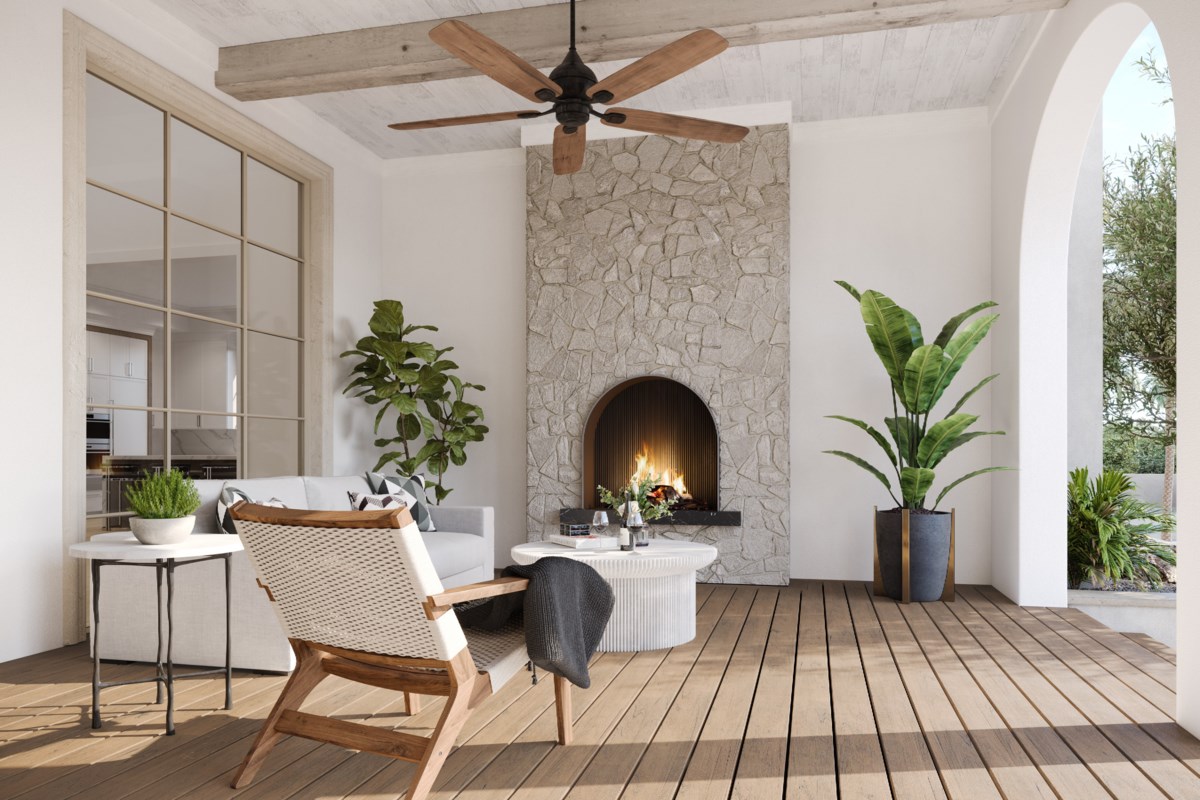
Modern interior design is an ever-evolving art that reflects our lifestyles, tastes, and technological advancements. Interior painting is crucial in transforming spaces, so homeowners and designers always look for fresh, innovative trends that elevate a room’s ambiance. In this comprehensive guide, we explore 10 interior painting trends for modern homes, delving into creative ideas and practical tips that can help you achieve a timeless and contemporary look.
In recent years, interior painting has transcended the simple act of applying color to walls—it has become a form of self-expression and a key element in the overall design strategy of modern homes. With an explosion of new color palettes, techniques, and finishes available today, there’s never been a better time to reinvent your living spaces.
Whether you’re planning to refresh your living room, experiment with a bold new accent wall, or completely overhaul your home’s aesthetic, understanding these trends can inspire you to make design choices that are both stylish and functional. From warm neutrals to unexpected metallics, this guide will walk you through 10 interior painting trends making waves in the design community. Let’s dive in.
Embracing Warm Neutrals and Earth Tones
One of the most enduring trends in interior painting is warm neutrals and earth tones. Unlike the stark, cold whites of previous decades, modern interiors favor hues that evoke a sense of warmth and comfort. These colors work harmoniously with natural materials like wood, stone, and metal, creating spaces that feel both inviting and sophisticated.
The Psychology of Warm Neutrals
Warm neutrals are more than a color choice; they have psychological benefits. Shades such as soft taupe, creamy beige, and light brown can evoke stability, calm, and security. This makes them ideal for living rooms, bedrooms, and other spaces where relaxation is paramount. When paired with strategic lighting and thoughtfully selected furnishings, warm neutrals create a serene backdrop that allows the room’s architectural features to shine.
Tips for Incorporating Earth Tones
- Layering Colors: Warm neutrals’ versatility allows you to combine different shades for depth. For instance, use a slightly darker taupe on accent walls to add dimension while keeping the remaining walls a lighter beige. This flexibility empowers you to create a space that truly reflects your style and personality.
- Mix with Textures: Incorporate natural textures like wood, linen, or jute to enhance the earthy feel of the color palette.
- Accent Pieces: Metallic accents, such as brass or copper, add a modern twist and highlight the sophisticated undertones of these colors.
Bold Accent Walls and Statement Ceilings
While a cohesive color scheme across every wall is appealing, modern homeowners are increasingly drawn to the dramatic impact of accent walls and statement ceilings. This trend allows homeowners to experiment with color and texture and inspires them to think outside the box regarding their spaces.
Creating Impact with Accent Walls
Accent walls are powerful tools for defining a room’s character. Whether you paint one wall in a vibrant hue or apply a textured finish, the key is to let the accent wall serve as a focal point. For example, a deep navy or rich emerald green can add drama and sophistication to a living room, strikingly contrasting the surrounding neutral tones.
Statement Ceilings
Often overlooked, ceilings have emerged as a canvas for artistic expression. Painting your ceiling with a contrasting color or using subtle metallic finishes can draw the eye upward, making the room more extensive and dynamic. This trend is especially popular in rooms with high ceilings, where the extra space can create a sense of grandeur.
Tips for a Successful Accent or Ceiling Statement
- Choose Wisely: Select a wall or ceiling that naturally draws attention—usually the first wall you see when you enter the room.
- Balance is Key: Ensure the rest of the room’s decor is subdued enough to let the accent or ceiling statement shine.
- Experiment with Finishes: For a unique interplay of light and shadow, consider using textured or matte finishes on your accent wall and glossy or metallic finishes on your ceiling.
The Rise of Matte Finishes and Low-Sheen Paints
In the quest for a refined, modern look, matte finishes, and low-sheen paints have taken center stage. These finishes provide a soft, elegant look that minimizes glare and creates a subtle, sophisticated atmosphere. Matte paints are particularly favored for their ability to hide imperfections, making them an excellent choice for older walls or surfaces with texture.
Advantages of Matte Finishes
- Elegant Aesthetics: Matte finishes exude a sense of understated luxury. Because they lack shine, they don’t distract from the room’s design elements, allowing you to create a space that feels sophisticated and refined.
- Versatility: Matte paint works well in almost any setting—from cozy residential spaces to sleek, modern offices.
- Texture and Depth: Matte finishes absorb rather than reflect light, adding depth to a room and creating a cocoon-like, intimate atmosphere.
When to Choose Matte over Gloss
While gloss and semi-gloss paints have their place—particularly in high-traffic areas or where moisture is a concern—matte finishes offer a contemporary, timeless look. They are ideal for living rooms, bedrooms, and other areas where a soft, luxurious feel is desired. Low-sheen options that balance durability and aesthetics can be a smart compromise for kitchens and bathrooms, where moisture and frequent cleaning are factors.
Innovative Techniques: Stripes, Color Blocking, and Textured Finishes
Innovative painting techniques have become increasingly popular as homeowners seek ways to add personality and artistic flair to their spaces. Techniques like stripes, color blocking, and textured finishes offer creative alternatives to traditional flat paint applications.
Stripes and Geometric Patterns
Stripes can transform a simple room into a dynamic space full of visual interest. Whether vertical, horizontal, or diagonal, stripes can alter the perception of a room’s dimensions. For example, vertical stripes can make a room appear taller, while horizontal stripes can make it feel wider. When combined with a carefully curated color palette, stripes can add modernity and a sense of balance to your interior design.
Color Blocking
Color blocking involves using large, solid patches of color to create bold, eye-catching segments on walls. This technique is particularly effective in open-plan spaces, delineating different areas without physical barriers. Color blocking enhances the room’s design and allows you to experiment with unexpected color combinations that challenge conventional norms.
Textured Finishes
Textured finishes have experienced a renaissance in modern interior design. By incorporating elements like sponging, rag-rolling, or even faux finishes that mimic natural materials like stone or wood, you can create walls that are as tactile as they are beautiful. These textures add depth and character, making each room unique and engaging.
Practical Tips for Innovative Techniques
- Plan Thoroughly: Sketch your design ideas on paper before committing to a technique, ensuring you have a clear vision of the final result.
- Test Samples: Always test a small section of the wall first to see how the color and texture interact with the natural light in the room.
- Consult a Professional: For more complex techniques, consider hiring a highly skilled painter specializing in creative finishes. Their expertise can help you achieve a flawless look.
Integrating Sustainable and Eco-Friendly Paint Options
Modern homeowners are increasingly aware of environmental concerns, and the demand for sustainable, eco-friendly paint options has never been higher. Eco-conscious painting trends contribute to a healthier environment and offer superior performance and durability.
Benefits of Eco-Friendly Paints
Eco-friendly paints are formulated with low levels of volatile organic compounds (VOCs), emitting fewer toxic chemicals into the air. Thus, they are safer for your family and the environment. These paints are often derived from natural, renewable resources, making them a responsible option for sustainable home improvement.
Top Eco-Friendly Paint Trends
- Natural Pigments: Paints made with natural pigments offer a beautiful, authentic look without relying on synthetic chemicals.
- Recycled Materials: Some eco-friendly paints incorporate recycled materials, reducing waste and promoting a circular economy.
- Energy-Efficient Finishes: Advances in paint technology now allow for finishes that reflect heat and reduce energy costs, combining environmental benefits with practical savings.
How to Choose the Right Eco-Friendly Paint
When selecting eco-friendly paint, consider factors such as durability, finish, and the specific environmental certifications that indicate a truly sustainable product. Many reputable brands now offer a range of eco-friendly options that do not compromise quality or aesthetics.
The world of interior painting is rich with opportunities to express your style while embracing the latest design trends. From the timeless appeal of warm neutrals and earth tones to the bold statements made by accent walls and innovative techniques, modern painting trends offer many ways to transform your home into a work of art. Matte finishes and eco-friendly options further underscore the importance of aesthetics and sustainability in today’s design landscape.
By incorporating these 10 interior painting trends into your home improvement projects, you can elevate your living space and create an environment that reflects modern sensibilities and forward-thinking design. Whether you want to make a subtle change or undertake a bold transformation, these trends provide a roadmap to achieving a stylish, contemporary look that will stand the test of time.
As you embark on your next interior painting project, consider combining these trends to discover what best suits your vision. With thoughtful planning and attention to detail, you can create a space that is uniquely yours—a modern home that combines comfort, functionality, and aesthetic appeal. Happy painting!