
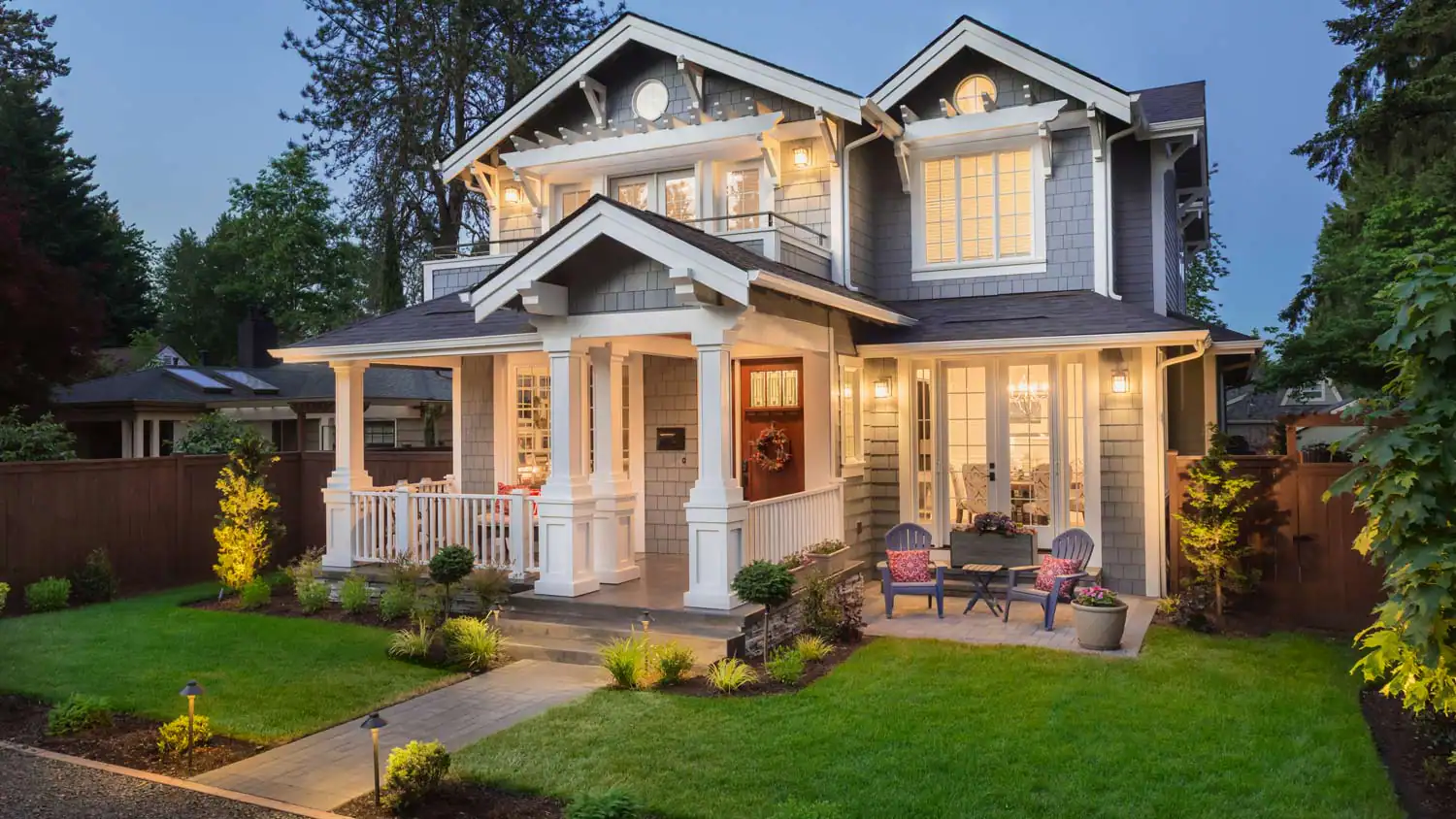
Preparing your home’s exterior for a fresh coat of paint is not just a task. It’s a transformative process that can transform your home into a masterpiece. Proper paint preparation involves several vital steps that lay the foundation for this transformation. This blog post will outline a six-step guide to exterior paint prep, covering essential tasks to help you achieve a professional-looking result. From cleaning and repairing surfaces to priming and protecting, these steps are the tools that will help you achieve a stunning transformation for your home’s facade.
Step 1: Clean and Clear the Surface
1.1 Pressure Washing
Start by thoroughly cleaning the exterior surfaces with a pressure washer to remove dirt, grime, and debris. Ensure all areas are clean and dry before proceeding to the following steps to promote better paint adhesion and longevity. Remember to follow safety precautions when using a pressure washer, such as wearing protective gear and maintaining a safe distance from the surface to prevent any damage or injury.
Step 2: Repair and Replace Damaged Areas
2.1 Fill Cracks and Holes
Inspect the surfaces for cracks, holes, or damaged areas and repair them using appropriate fillers or sealants. Smooth out uneven surfaces and address any structural issues to create a smooth and uniform base for painting.
Step 3: Sand and Scrape Surfaces
3.1 Sanding Wood Surfaces
Sand wooden surfaces to remove old paint, smooth rough areas, and create a clean canvas for new paint application. Use sandpaper of appropriate grit to achieve a smooth finish and ensure optimal paint adhesion.
Step 4: Prime the Surface
4.1 Apply Primer
Priming the exterior surfaces before painting is crucial for improved paint adhesion, coverage, and durability. Choose a high-quality primer suitable for your surface type. For example, a primer with good sealing properties is recommended for painting over a porous surface. Apply the primer evenly to create a solid foundation for the topcoat.
Step 5: Protect Surrounding Areas
5.1 Masking and Covering
Protect windows, doors, trim, and other areas not being painted by masking them with painter’s tape and covering them with drop cloths or plastic sheeting. This step helps prevent accidental paint splatters and ensures clean paint lines.
Step 6: Selecting the Right Paint
6.1 Choosing Exterior Paint
Select a high-quality exterior paint suitable for your climate, surface type, and desired finish. Consider factors like durability, color retention, and ease of application to achieve a long-lasting and visually appealing result.
Proper exterior paint preparation is essential for achieving a professional finish that enhances the appearance and longevity of your home’s facade. By following the six basic steps outlined in this guide – from cleaning and repairing surfaces to priming, protecting, and selecting the right paint – you can ensure a seamless painting process and a stunning transformation for your home. Investing time and effort in thorough paint preparation improves the aesthetic appeal of your property and adds value and protection against the elements. With attention to detail and adherence to these critical steps, you can confidently embark on your exterior paint project and achieve exceptional results that elevate the beauty of your home.