
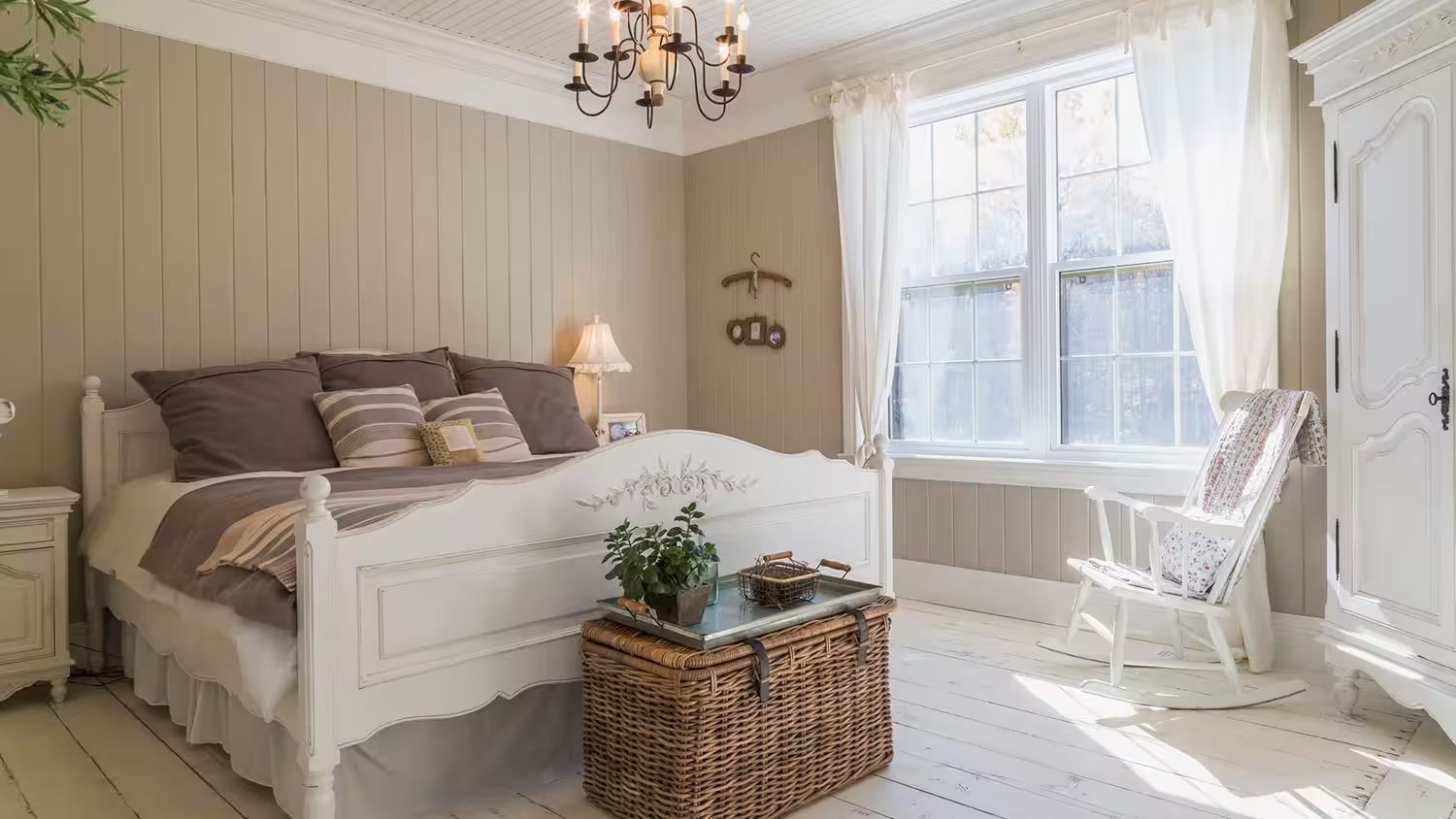
Renovating your home can be an exhilarating yet daunting task. One of the most transformative changes you can make is updating your walls by integrating wallpaper removal with interior painting. Not only does this process breathe new life into your living spaces, but it also sets the stage for a seamless, modern aesthetic that reflects your style. In this comprehensive guide, we’ll explore effective strategies and insider tips to help you master this renovation process from start to finish.
Wallpaper can be a charming design element when it complements your décor, but it can also become outdated or damaged over time. Whether your wallpaper has faded, started to peel, or no longer suits your evolving taste, removing it and applying a fresh coat of paint offers a dynamic way to revitalize your home. Integrating wallpaper removal with interior painting may seem like a multi-step process, but with careful planning and execution, you can achieve a professional look without the hassle.
In this blog post, we will walk you through the entire process—from assessing your walls and preparing your workspace to tackling stubborn wallpaper and applying paint flawlessly. We’ll discuss the necessary tools and materials, share practical tips, and outline step-by-step procedures to ensure your renovation is efficient and successful.
Assessing Your Walls and Planning Your Renovation
Before you begin the physical work, it’s crucial to assess the current condition of your walls. This initial step will ensure a smooth renovation process.
Evaluating Wall Condition
Start by inspecting your walls carefully. Are there areas where the wallpaper is already peeling or damaged? Look for signs of moisture, mold, or cracks beneath the wallpaper. These issues need to be addressed before you start the removal process. Sometimes, the underlying wall may have imperfections that could affect the final paint finish.
Additionally, consider the type of wallpaper you have. Some wallpapers are made from vinyl, fabric, or paper, and each type requires a different approach to removal. Understanding the material of your wallpaper will help you select the right tools and techniques.
Creating a Renovation Plan
Once you’ve evaluated the wall’s condition, it’s time to create a detailed renovation plan. This plan should outline the following:
- Timeline: Estimate the project’s duration. Consider all phases, from wallpaper removal to priming and painting.
- Budget: Identify costs for supplies like chemical removers, scrapers, paint, primer, and other materials.
- Safety Precautions: Wear the right safety gear, such as gloves, goggles, and masks. Wallpaper removal can generate dust and chemical fumes that can be harmful if inhaled.
- Space Management: Prepare a staging area to store your tools and materials. Remove furniture or cover it with protective sheets to prevent damage.
Having a well-thought-out plan helps keep the project organized and minimizes the stress that often accompanies home renovations.
Preparing the Workspace and Gathering Essential Tools
Proper preparation is key to successful wallpaper removal and interior painting. Having a dedicated workspace and all the necessary tools is critical to achieving professional results.
Clearing and Protecting the Area
Begin by removing as much furniture as possible from the room. If certain items are too large to move, cover them with drop cloths or plastic sheeting. Protect your floors with painter’s tape, old newspapers, or specialized floor coverings. A clean, unobstructed workspace minimizes accidents and makes the process more efficient.
Assembling the Right Tools and Materials
Gathering all the necessary tools beforehand can save you time and prevent interruptions during your renovation. Here is a checklist of items you might need:
- Wallpaper Scoring Tool: This device creates tiny holes in the wallpaper, allowing moisture or removal solutions to penetrate more effectively.
- Chemical Wallpaper Remover: A chemical solution may be necessary to break down the adhesive depending on the wallpaper type.
- Scrapers and Putty Knives are essential for gently peeling the wallpaper away from the wall without damaging the underlying surface.
- Sponges and Rags: Useful for cleaning off any residue after removal.
- Bucket and Water: Mix and apply cleaning solutions to rinsing the walls.
- Paint Primer: Once the wallpaper is removed, the wall must be primed to ensure the new paint adheres properly.
- High-Quality Paint: Choose paint that suits your interior design goals, considering factors like durability, finish, and color.
- Protective Gear: Safety goggles, gloves, and a mask to protect against chemicals and dust.
With all these tools and materials, you can proceed confidently, knowing you are fully equipped for the tasks ahead.
The Process of Wallpaper Removal
Wallpaper removal can be labor-intensive, but following the right steps can make it much more manageable. Here’s a detailed guide on how to remove wallpaper effectively.
Step 1: Score the Wallpaper
Begin by scoring the wallpaper lightly with your wallpaper-scoring tool. This creates small holes that allow the removal solution to penetrate the adhesive behind the wallpaper. Be cautious not to damage the wall surface with overly deep cuts.
Step 2: Apply the Removal Solution
Next, generously apply your chosen chemical wallpaper remover over the scored wallpaper. Use a sponge or a spray bottle to ensure even coverage. Allow the solution to sit for the recommended time specified by the manufacturer. This waiting period is critical as it softens the adhesive, smoothing the removal process.
Step 3: Start Scraping
Once the adhesive has softened, use a scraper or putty knife to gently lift the wallpaper from the wall. Start from one corner and work your way across the surface. For stubborn areas, reapply the removal solution and let it sit longer. Patience is key in this step; rushing may damage the wall.
Step 4: Clean the Residue
After removing the wallpaper, you will likely find adhesive residue on the wall. Clean this off using warm water mixed with a mild detergent. A sponge works best for this task. Thoroughly washing the wall ensures that no sticky residues remain, which is essential for the next step: priming.
Step 5: Repair and Sand
Once cleaned, inspect the wall for any damage, such as gouges, holes, or uneven patches. Use spackle or joint compound to repair these imperfections. After the repairs have dried, sand the wall lightly to create a smooth, even surface ready for priming. This final prep step ensures that the paint will adhere evenly and look flawless.
Priming and Painting: Achieving a Professional Finish
With your walls prepped and wallpaper-free, the next phase is priming and painting. Proper priming is critical as it creates a consistent base that enhances the durability and vibrancy of your new paint.
Importance of Priming
Priming the wall is a step that should never be skipped, especially after wallpaper removal. The primer serves several essential functions:
- Seals the Surface: It creates a barrier between the wall and the new paint, preventing stains and residues from bleeding.
- Enhances Adhesion: Primer provides a smooth surface that helps the paint adhere better, reducing the risk of peeling or flaking.
- Improves Color Coverage: Using a primer can ensure that the new paint color appears as intended without interference from the underlying surface.
Choose a high-quality primer compatible with the paint you plan to use. Apply the primer evenly using a roller for large areas and a brush for edges and corners. Allow it to dry completely according to the manufacturer’s instructions before painting.
Selecting the Right Paint
Selecting the perfect paint is as much about aesthetics as durability. Consider the following when choosing your paint:
- Finish: Options include matte, eggshell, satin, semi-gloss, and high-gloss. Each finish offers a different look and durability level. For instance, matte finishes hide imperfections well, while semi-gloss or high-gloss finishes are easier to clean.
- Color: The color should complement your interior design. Lighter colors make a room feel larger and brighter, whereas darker hues create a cozy, intimate atmosphere.
- Quality: Invest in high-quality paint to ensure longevity. Premium paints provide better coverage, durability, and resistance to fading.
The Painting Process
Once you have chosen your paint, follow these steps for a professional finish:
- Cutting In: Start by “cutting in” around the walls’ edges. Use a high-quality angled brush to paint carefully along trim, corners, and edges. This initial step ensures crisp, clean lines.
- Rolling the Walls: Use a roller to apply the paint to the larger wall areas. Roll in smooth, even strokes, overlapping each section slightly to avoid streaks. If necessary, use an extension pole for ceilings and high walls.
- Multiple Coats: Depending on the paint color and quality, you may need to apply two or more coats. Between coats, allow the paint to dry thoroughly to avoid smudging or uneven texture.
- Detailing: Once the main coats are complete, inspect the wall for spots that need touch-ups. Use a small brush to fix any imperfections for a flawless finish.
Maintenance and Final Touches
After your walls have been transformed, proper maintenance ensures that the beautiful finish lasts for years.
Cleaning and Upkeep
To keep your newly painted walls looking fresh:
- Regular Dusting: Dust the walls regularly using a microfiber cloth or a duster. This prevents dirt buildup that can dull the finish.
- Gentle Cleaning: When necessary, clean the walls with a damp cloth. Avoid harsh chemicals that can strip the paint. For stubborn marks, use a mild detergent solution with caution.
- Touch-Ups: Minor scratches or chips might occur over time. Keep a small amount of leftover paint for quick touch-ups to maintain a consistently pristine look.
Embracing the New Aesthetic
Removing wallpaper and repainting is not just about changing colors; it’s about reinventing your space. Whether you choose a modern, minimalist palette or a vibrant, eclectic mix, the result is a home that reflects your personality and style. The transformation can significantly boost your property’s value and create a welcoming environment for family and friends.
Integrating wallpaper removal with interior painting offers a remarkable opportunity to transform your home from dated to dazzling. Although the process may seem complex, breaking it down into manageable steps—assessing and planning, preparing your workspace, methodically removing wallpaper, priming, painting, and finally, maintaining the new finish—ensures a professional outcome.
By evaluating your walls, choosing the right tools and materials, and following best practices during removal and painting, you can achieve a fresh look and the satisfaction of completing a meticulous renovation. With attention to detail and careful execution, you can overcome challenges such as stubborn wallpaper or uneven surfaces, ultimately achieving a seamless transition from old décor to a bright, inviting new space.
Home renovations are an investment in your living environment that can significantly enhance your quality of life and property value. Whether you’re a seasoned DIY enthusiast or a homeowner taking on your first major project, integrating wallpaper removal with interior painting can be an empowering and rewarding experience. Enjoy the transformation and take pride in the new look that reflects modern design and timeless elegance.
Embrace these renovation tips and let your creativity shine through every brushstroke. Your newly painted walls will not only elevate the aesthetic appeal of your home but also provide a fresh canvas for future design possibilities. Happy renovating!