
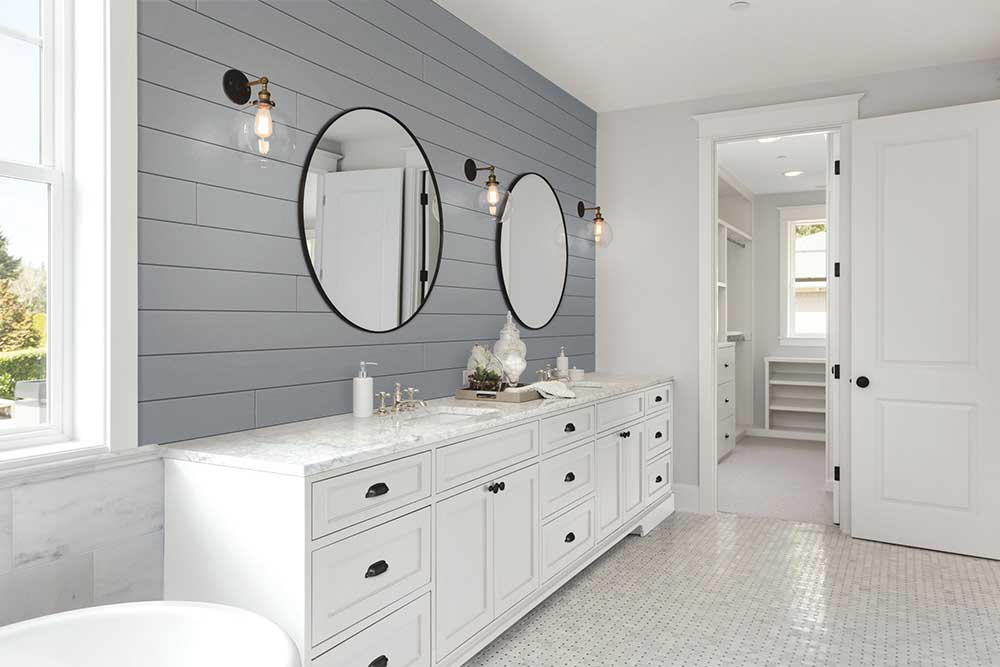
A fresh coat of paint can completely transform your bathroom, making it feel brighter, cleaner, and more modern. However, the bathroom is one of the most challenging environments to maintain a perfect paint job due to constant exposure to moisture, heat, and humidity. Without proper care and preventive measures, the stunning new finish can quickly lose its appeal, leading to peeling, fading, and mildew growth.
This blog’ll explore practical and effective ways to protect your bathroom’s new paint job, ensuring it stays vibrant and intact for years. From choosing the right paint to controlling moisture, these tips will help you maintain that fresh-from-the-can look long after the paint has dried.
1. Choose the Right Paint for Bathrooms
The first step to ensuring a durable paint job in your bathroom is selecting the appropriate type of paint. Not all paints are created equal, and for a space as humid and damp as a bathroom, you need a paint that can withstand the conditions.
- Moisture-Resistant Paint: One of the best choices for bathrooms is moisture-resistant paint. This type of paint has been specifically formulated to resist mold and mildew growth, a common problem in humid environments. Some options even contain mildew inhibitors to help keep your bathroom walls free from unsightly fungi.
- Semi-Gloss or Satin Finish: Semigloss or satin is the way to go when choosing the finish. Both finishes provide a smooth, durable surface that repels moisture better than flat or matte finishes. They are also easier to clean and ideal for high-traffic areas like bathrooms.
- Paint with Built-in Primer: Many modern paints come with a built-in primer, which helps the paint adhere better to the surface and provides an extra layer of protection. This is particularly useful in bathrooms, where frequent cleaning and exposure to moisture are unavoidable.
By selecting the right paint, you create the foundation for a long-lasting finish that will withstand your bathroom’s unique demands.
2. Ventilation: Control Humidity to Prevent Peeling and Mildew
Bathrooms naturally have higher humidity levels due to showers, baths, and sinks, which can wreak havoc on even the best paint job. Proper ventilation is key to reducing moisture buildup, which is the primary cause of peeling, bubbling, and mold growth on painted surfaces.
- Install or Upgrade an Exhaust Fan: One of the most effective ways to protect your bathroom’s paint job is by installing a high-quality exhaust fan. The fan helps remove humid air from the toilet, lowering moisture levels and preventing condensation on the walls and ceiling. If you already have an exhaust fan, ensure it’s powerful enough for the size of your bathroom and functioning correctly.
- Use the Fan Consistently: Turn on the exhaust fan every time you shower or take a bath and leave it running for at least 15–20 minutes afterward to allow the moisture to dissipate fully. This simple step can make a significant difference in maintaining your paint’s appearance over time.
- Natural Ventilation: If your bathroom has a window, open it periodically to allow fresh air to circulate. While not as effective as an exhaust fan, natural ventilation can still help reduce moisture levels, especially during cooler or drier weather.
Keeping your bathroom well-ventilated is crucial in preventing paint from peeling and reducing the chances of mold and mildew development.
3. Clean Your Bathroom Regularly and Properly
Regular cleaning is essential for maintaining the paint job in your bathroom. However, using the right cleaning techniques is equally important to avoid damaging the paint.
- Gentle Cleaning Solutions: When cleaning painted surfaces in your bathroom, avoid harsh chemicals or abrasive cleaners that can strip away the paint’s protective layer. Opt for mild, non-abrasive cleaning solutions or a simple mixture of warm water and a small amount of dish soap. This will help maintain the paint’s integrity while keeping the walls and ceiling free from dirt and grime.
- Soft Cloths and Sponges: Always use soft or non-abrasive sponges when wiping down painted surfaces. Rough scrubbing tools can scratch or dull the paint finish, leading to premature wear and tear. A soft microfiber cloth is an excellent choice for gently removing dust, stains, and buildup from painted walls.
- Spot-Clean Problem Areas: Instead of scrubbing the entire surface, spot-clean areas are prone to dirt buildup or mildew, such as around the shower or near the sink. Regular spot-cleaning will prevent the need for heavy cleaning later on, which can be harsh on your paint.
Cleaning your bathroom correctly will keep the paint looking fresh while extending its lifespan.
4. Prevent Water Splashing and Stains
Water is one of the biggest threats to a newly painted bathroom, especially in areas close to the sink, shower, and bathtub. Over time, water can cause unsightly stains and streaks and even lead to peeling paint. Fortunately, there are several ways to protect your paint from water damage.
- Install Splash Guards: To minimize water splashing on painted surfaces near sinks and tubs, consider installing splash guards or waterproof panels. These protective measures can help direct water back into the sink or tub, preventing it from reaching the painted walls.
- Use a Shower Curtain or Door: Ensure your shower has a curtain or door that thoroughly covers the shower opening. This simple step can significantly reduce the amount of water on your bathroom walls. Ensure that the curtain or door is sealed correctly to avoid leaks.
- Seal Grout and Caulk: Sealing the grout and caulk in your bathroom is another way to prevent water from seeping into painted surfaces. Over time, gaps in the grout or caulk can allow moisture to penetrate, leading to peeling paint or mold growth.
Preventive water exposure control will help protect your bathroom’s paint from potential damage.
5. Address Mold and Mildew Immediately
Even with the best efforts, mold and mildew can sometimes develop in a bathroom due to the consistently humid environment. If you notice any signs of mold or mildew, it’s essential to act quickly to prevent it from spreading and damaging your paint.
- Clean Mold Safely: Use a mixture of water, white vinegar, or a mild bleach solution to clean areas affected by mold or mildew. To avoid exposure to harmful spores, be sure to follow safety precautions, such as wearing gloves and ensuring proper ventilation.
- Repaint Problem Areas: If mold or mildew has severely damaged the paint, you may need to repaint the affected areas. Before doing so, thoroughly clean the surface, allow it to dry completely, and apply a mold-resistant primer before painting. This will help ensure the new paint adheres properly and resists future mold growth.
By addressing mold and mildew promptly, you’ll protect your bathroom’s paint job from further damage and maintain a clean, fresh appearance.
A fresh coat of paint in your bathroom enhances the aesthetics and increases the value of your home. However, protecting that new paint from the challenges of a moisture-heavy environment is essential for maintaining its beauty and longevity. By choosing the right paint, ensuring proper ventilation, cleaning gently, preventing water damage, and tackling mold immediately, you can keep your bathroom’s paint job pristine for years.
Ensure your bathroom remains a bright and beautiful sanctuary with the expert painting services of Andrew Picone Painting & Paperhanging. Our skilled team specializes in safeguarding your bathroom’s paint job from common issues like peeling, fading, and mold growth. With our professional touch, you can enjoy a fresh, vibrant look for years. Trust Andrew Picone Painting & Paperhanging to provide the long-term protection and aesthetic appeal your bathroom deserves so you can focus on enjoying your beautifully maintained space.