Embarking on a painting project can be a fun and rewarding experience, transforming your living space with fresh colors and new vibes. However, it’s important to remember that painting isn’t just about choosing the right color palette or the perfect brush; it’s also about ensuring you complete your project safely.
Proper safety measures can protect you from potential hazards and ensure a smooth process. In this blog post, we’ll explore essential safety considerations to remember while painting your space, making your project safe and successful.
The Importance of Safety in Painting Projects
Painting your home can bring about a sense of renewal and creativity, but it’s crucial to approach this task with a focus on safety. While it might seem straightforward, painting involves several risks that, if overlooked, can lead to accidents or health issues. However, understanding and implementing key safety measures gives you the control to enjoy the process without any unpleasant surprises. Explore some important considerations to keep your painting project safe and enjoyable.
Choosing the Right Protective Gear
The first step in any painting project should be selecting appropriate protective gear. This is your first line of defense against common painting hazards. Here are some essentials:
- Masks and Respirators: Many paints release volatile organic compounds (VOCs) and other harmful fumes. A mask or respirator can prevent inhalation of these substances, protecting your respiratory system from irritation or long-term health issues.
- Protective Eyewear: Safety glasses or goggles are crucial to protect your eyes from paint splashes and dust. Even if you’re careful, paint can easily splatter, so it’s better to be safe than sorry.
- Gloves: Choose gloves resistant to chemicals to prevent skin irritation from paints and solvents. Nitrile or latex gloves are typically practical for most painting jobs.
- Coveralls and Footwear: Wearing coveralls can protect your skin and clothing from paint spills and stains. Non-slip footwear prevents falls, especially when working on ladders or uneven surfaces.
Ensuring Proper Ventilation
Proper ventilation is critical when painting indoors. Without it, you can quickly become overwhelmed by paint fumes, leading to dizziness, headaches, or more severe health problems. Here’s how to ensure good airflow during your painting project:
- Open Windows and Doors: Open windows and doors to create a cross-ventilation system. This allows fresh air to circulate and harmful fumes to dissipate.
- Use Fans: Position fans to draw fumes out of the room. Exhaust fans can be particularly effective in bathrooms or kitchens where ventilation might be limited.
- Take Regular Breaks: Don’t stay in an enclosed space with paint fumes for too long. Taking regular breaks not only helps to get fresh air but also clears your head and prevents the buildup of fumes, giving you a sense of relief and reassurance about your well-being.
Handling Paint and Tools Safely
If incorrectly handled, the tools and materials you use in a painting project can pose various hazards. Here are some tips to manage them safely:
- Read Labels and Instructions: Every paint or tool comes with specific instructions. Read these to understand potential hazards and how to use the product safely.
- Secure Lids and Containers: Keep paint cans closed tightly when not in use to prevent spills, evaporation, and accidental exposure.
- Clean Spills Immediately: Spilled paint can be slippery and dangerous. Clean any spills immediately to prevent accidents and ensure a tidy workspace.
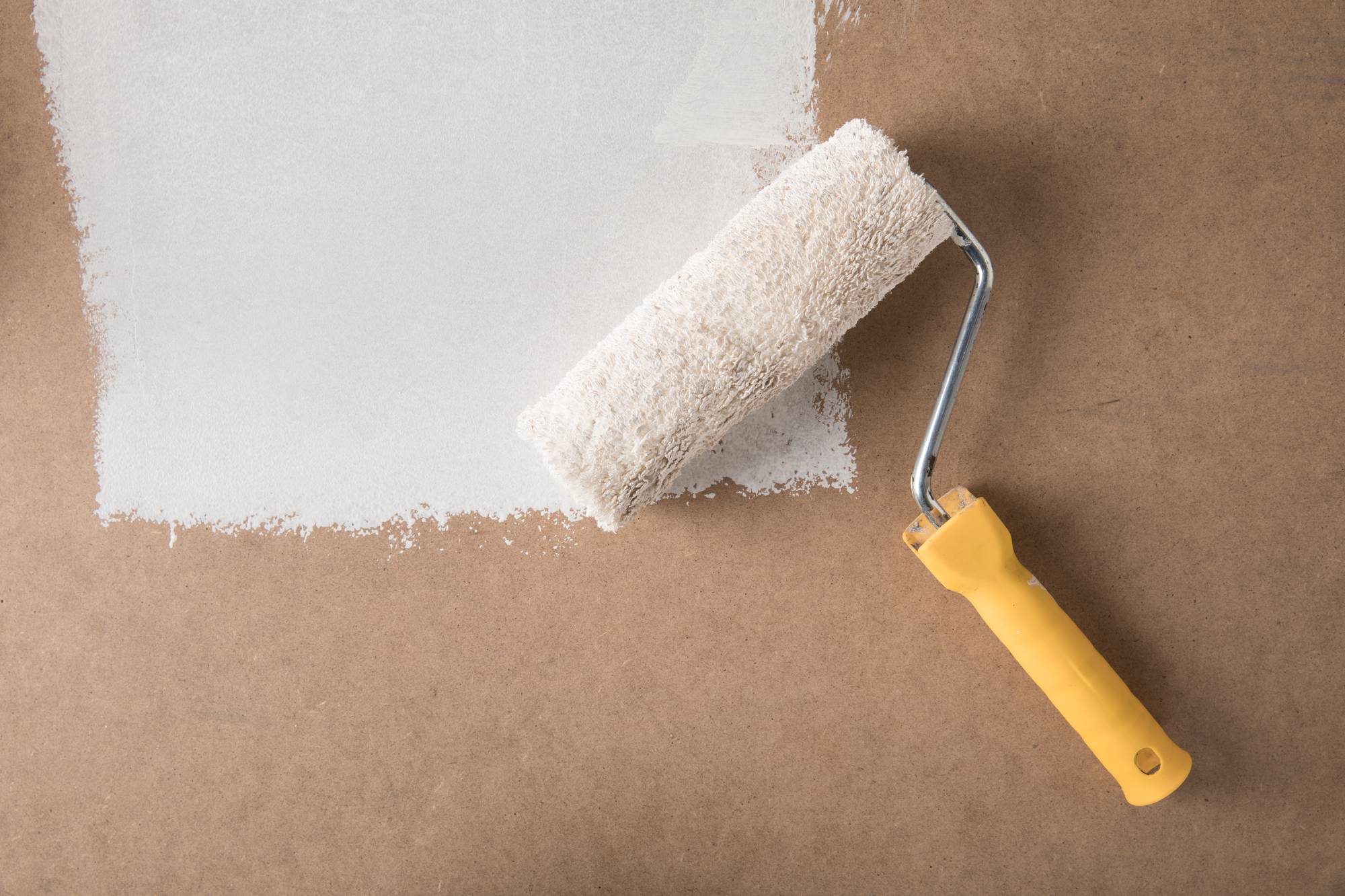
- Use Tools Correctly: Whether using a brush, roller or spray gun, using the tools as intended not only ensures the safety of your project but also makes you feel competent. Improper use can lead to accidents or damage to your project, so following the instructions and using the tools correctly is essential.
Dealing with Potential Hazards: Ladders and Electrical Outlets
When painting, you’ll likely encounter ladders and electrical outlets requiring special attention to avoid accidents.
- Ladder Safety: Always choose the right ladder for the job. It should be sturdy and tall enough to reach your desired height without overextending. Place it on a stable, level surface, and never stand on the top rung. It’s also wise to have someone hold the ladder for extra stability.
- Electrical Safety: Cover electrical outlets and switches with painter’s tape before painting to prevent paint from getting inside. Never paint over outlets; be cautious when using water-based paints near electrical sources.
- Awareness of Surroundings: Be aware of your surroundings, especially if you paint in a cluttered or small space. Ensure your workspace is tidy, with tools and materials organized to prevent trips and falls.
Prioritizing Safety in Your Painting Projects
Painting your space is a fantastic way to refresh your home and express your style. However, it’s crucial to prioritize safety to avoid accidents and health issues. These safety considerations are key to a successful painting project, from choosing the right protective gear to ensuring proper ventilation, handling paint and tools safely, and being mindful of potential hazards.
By taking the time to implement these precautions, you can ensure that your painting experience is both creatively satisfying and safe, thanks to Andrew Picone Painting’s commitment to quality and safety. Remember, a beautiful space starts with a safe and well-executed plan. With Picone Painting, gear up, stay alert, and enjoy the transformation of your living space with peace of mind.